La Faïencerie de Gien
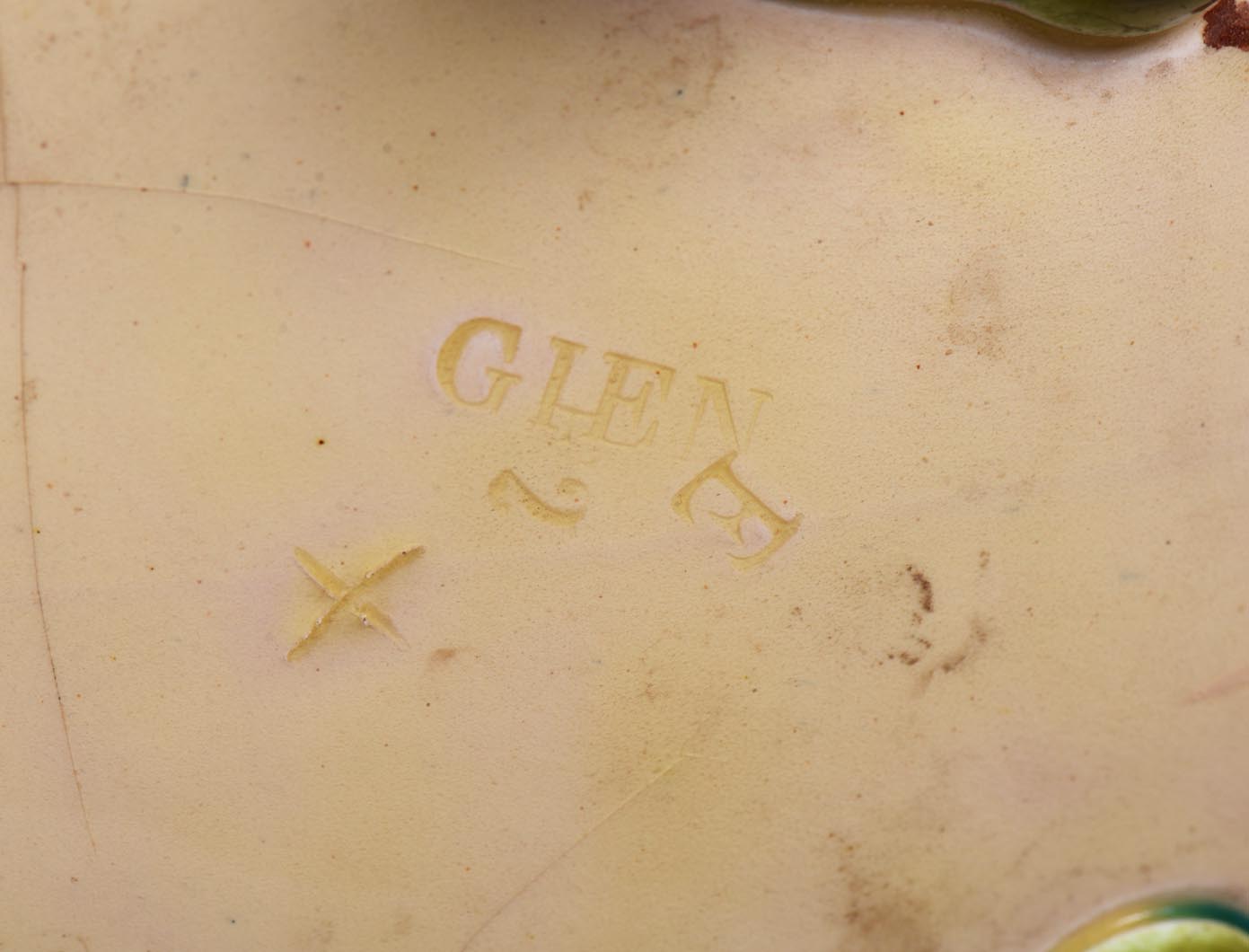
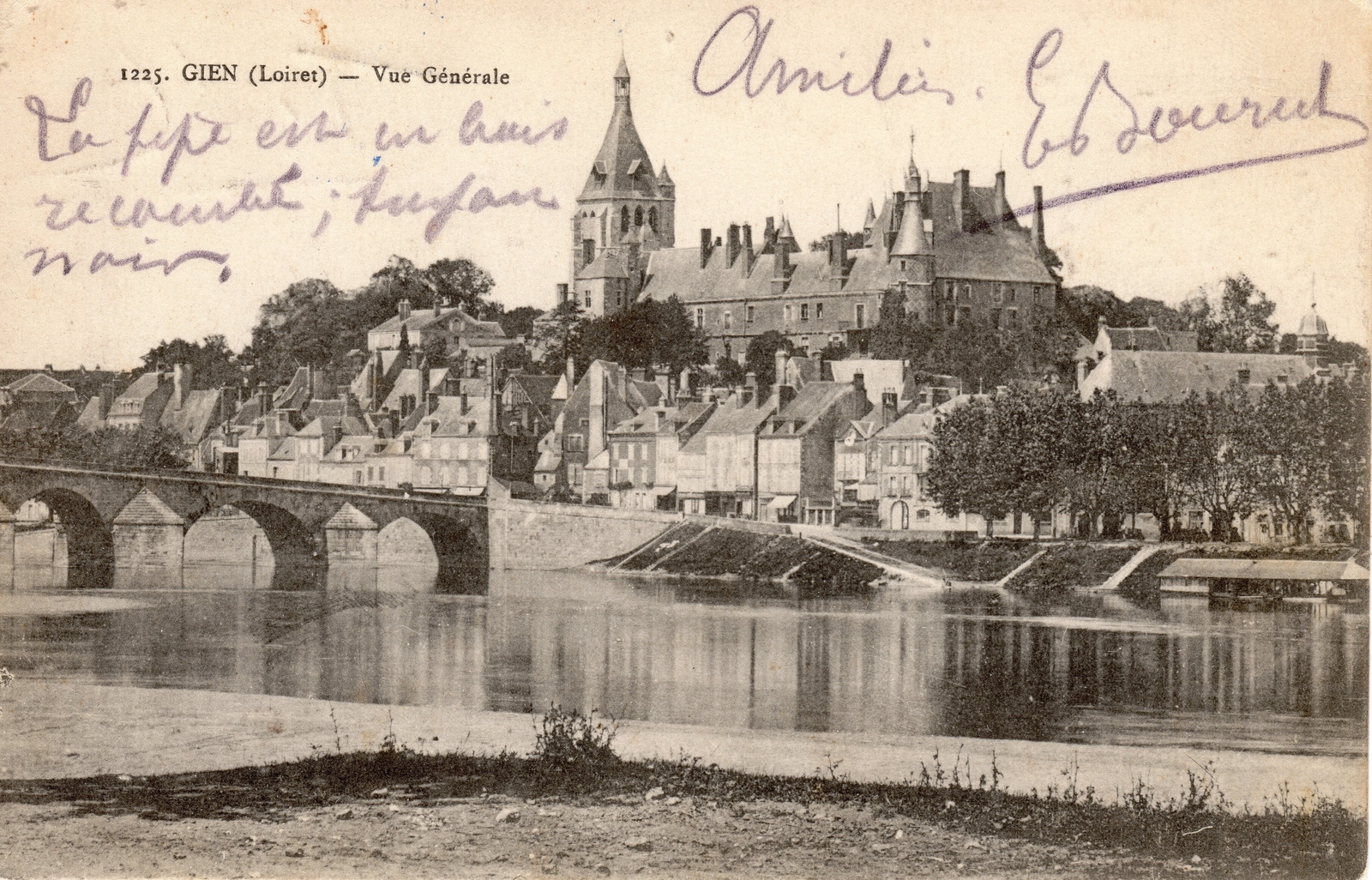
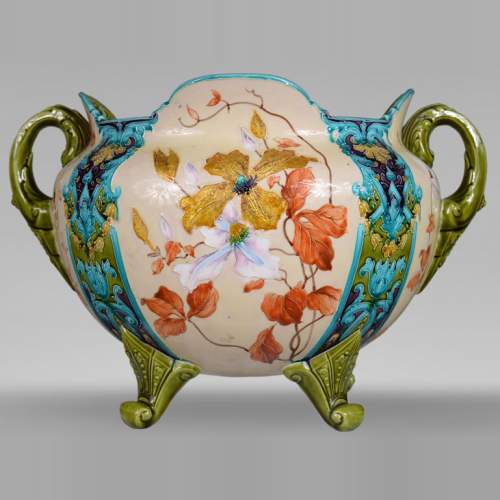
Download PDFEstablished on the banks of the Loire, in the Loiret, the Faïencerie de Gien is among the great French manufactories of fine earthenware of the nineteenth century. Founded in 1821 by an English industrialist, it established itself within a few decades through its table services, its decorative pieces and its decors inspired by the Italian Renaissance, Rouen and Delft. It was rewarded at the world's fairs of 1855, 1867, 1878, 1889 and 1900. More than two centuries later, it is still in operation.
Thomas Hall and "English-style" earthenware
The manufactory was founded in 1821 by Thomas Edme Hulm, known as Hall, an Englishman whose family already ran the Montereau faience works. He settled in the buildings of the former Minims convent, on the banks of the Loire. The site was well chosen: a commercial crossroads, clay, sand and siliceous pebbles close at hand, and a river that brought wood from the Orléans forests to fuel the kilns.
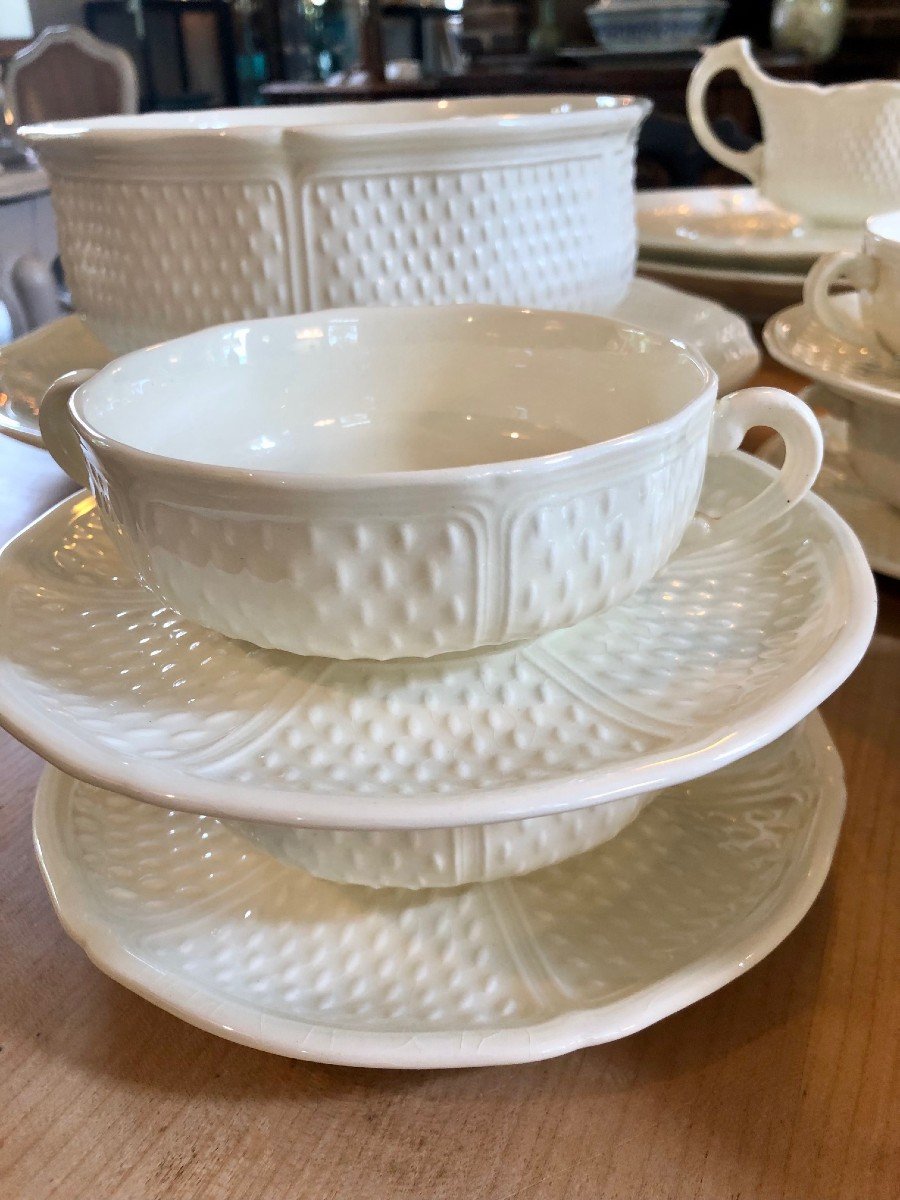
Hall first made a fine "English-style" earthenware, white, with octagonal shapes inspired by silverwork, intended to compete with the porcelains and earthenwares imported from England. He also revived a famous eighteenth-century model, the Pont-aux-Choux, after a Parisian factory of 1748, with its rice-grain relief, its volutes and gadroons, and lid knobs shaped like artichokes. The early years were difficult: the manufactory ran into financial trouble and changed hands several times in the following decades.
The golden age, 1850 to 1914
Recovery came from the industrialist Jean-Félix Bapterosses, who already owned porcelain button and enamel works in Paris and Briare, and who took over the manufactory around 1851. His name remained attached to the firm, which his heirs ran until 1983. The site expanded, new kilns were built, and several hundred workers were employed there.
The period 1855-1900 was one of recognition: the manufactory received awards at each of the world's fairs of 1855, 1867, 1878, 1889 and 1900. It also supplied armorial services to the great families of Europe. Its archives preserve more than eight thousand hand-engraved copper plates, some dating from the early nineteenth century, used for printing decoration on earthenware.
A repertoire of styles
Gien's strength lay in its ability to draw on every tradition of European and Oriental ceramics:
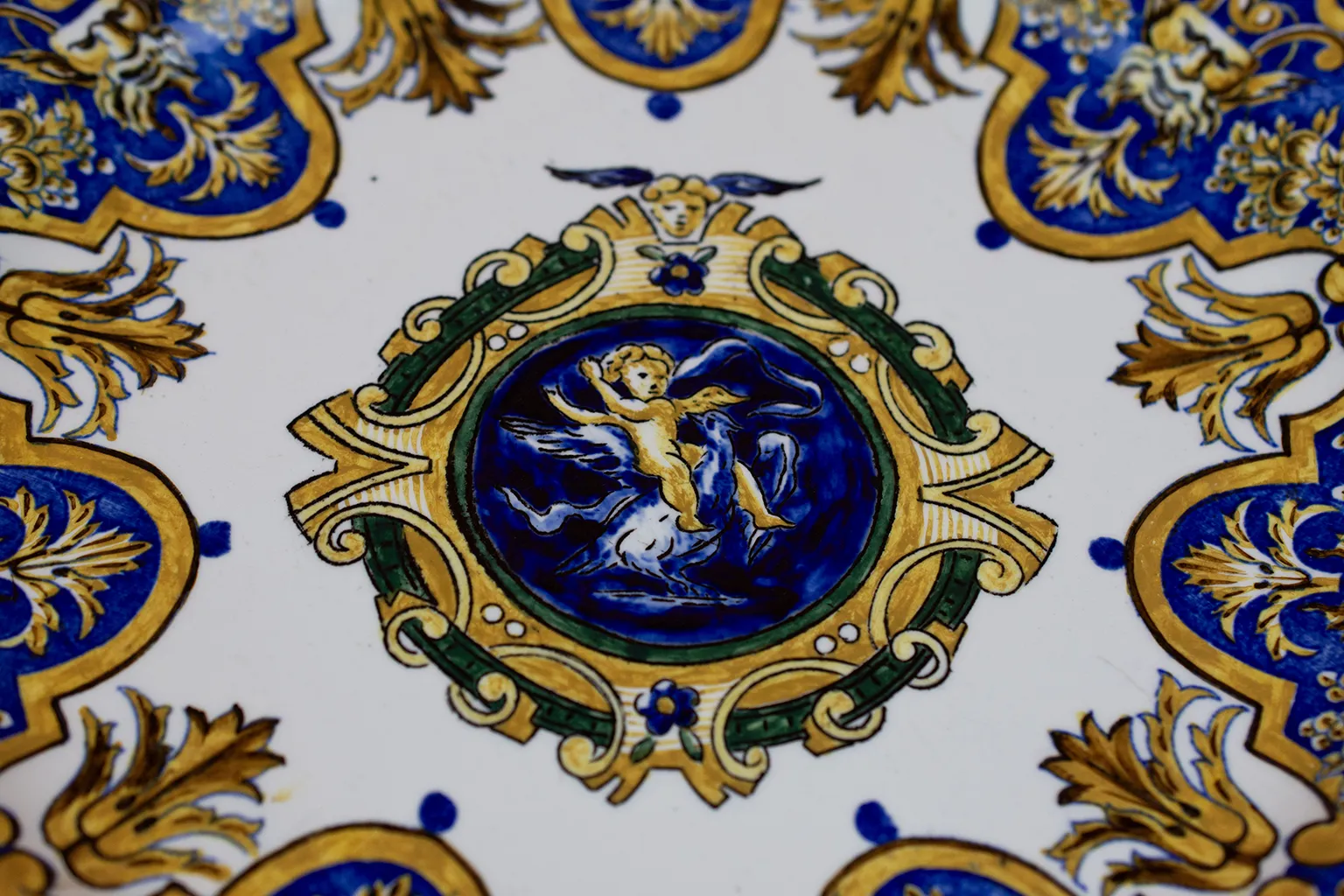
— Renaissance decors, inspired by the Italian majolicas of Urbino, with their cartouches, chimeras, putti and scrolls;
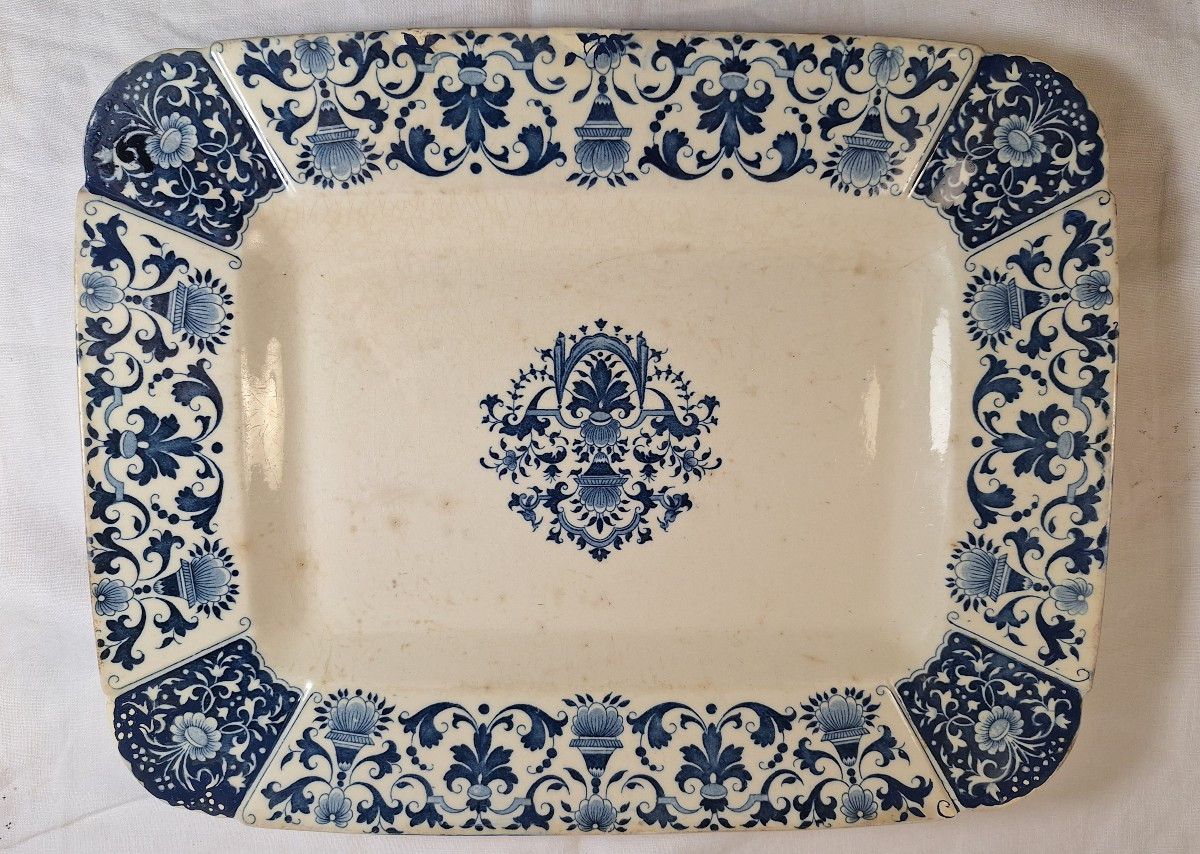
— blue-and-white camaïeus in the taste of Delft, and Rouen-type decors of the eighteenth century;
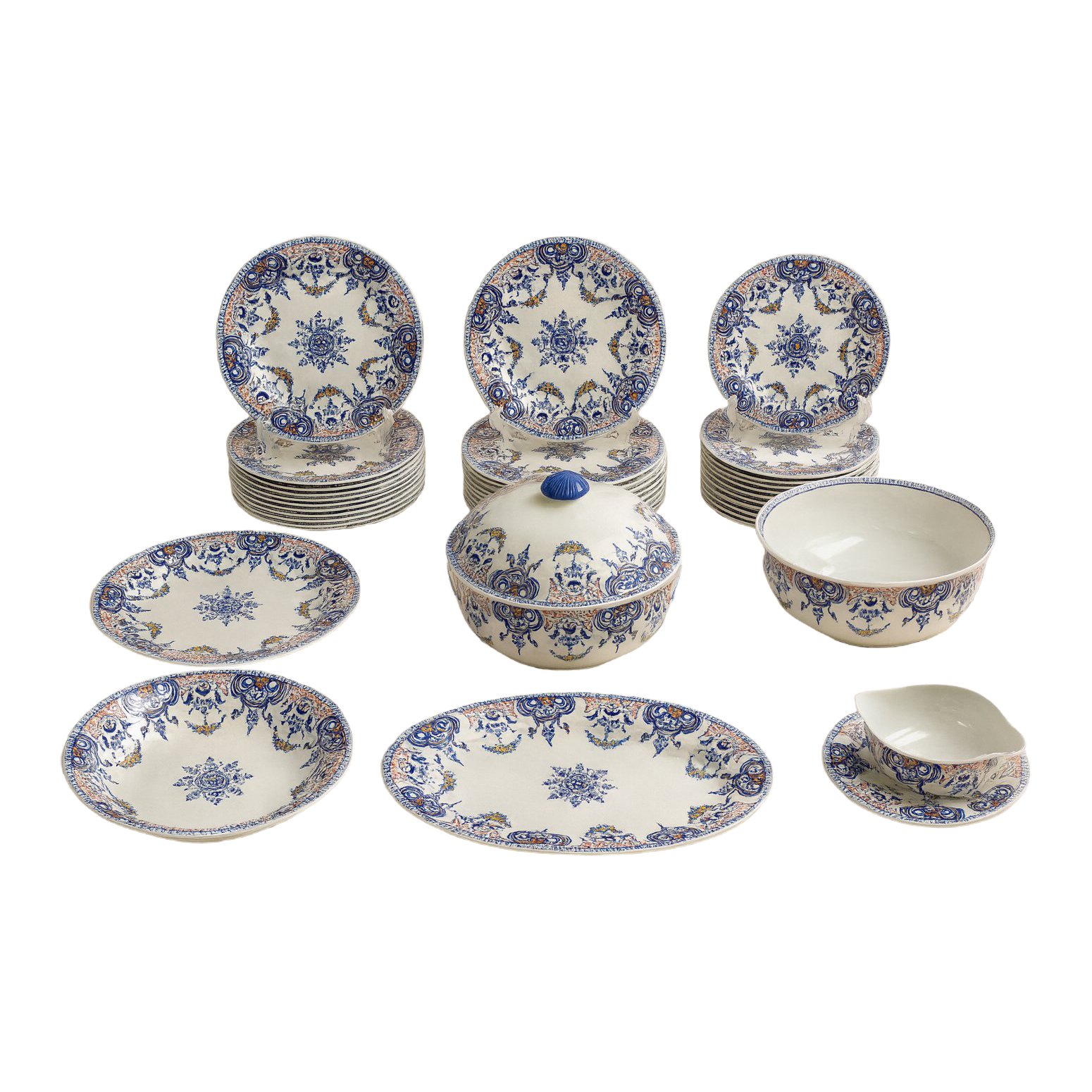
— floral decors, landscapes and printed subjects (historical scenes, humorous series, the Language of Flowers);
— polychromes inspired by the Far East and the Ottoman world.
The "Gien blue", developed from 1872 by the Blois ceramicist Adrien Thibault for the blue Renaissance decor, became one of the house's emblematic colours. The Japanese-inspired Peonies decor dates from 1875 and remains one of its great classics, regularly reissued.
Tiles and the Métro
Gien also made wall tiles. The manufactory is best known for having supplied, in the early twentieth century, the bevelled 7.5 × 15 cm tiles of the Paris Métro, the first of which date from 1906 according to the firm's history.
The twentieth century and revival
Wars and crises, then competition from Italian and Portuguese production, weakened the manufactory, which modernised after 1945 with large tunnel kilns. It filed for bankruptcy in 1983. Taken over in 1984 by Pierre Jeufroy, it turned to high-end collections, hand-painted limited editions and collaborations with creators such as Paco Rabanne, Garouste and Bonetti, Andrée Putman, Patrick Jouin and Isabelle de Borchgrave. It joined the Comité Colbert in 1989, then passed into the hands of Louis Grandchamp des Raux in 2002 and Yves de Talhouët in 2014. It holds the Entreprise du Patrimoine Vivant label.
The Faïencerie museum
A museum, opened in 1985 on the manufactory's own site, preserves pieces produced since 1821; it was renovated and reopened for the bicentenary in 2021. The tour explains the techniques of earthenware, from design to packing, and presents the historical decors.
See also
Vallauris — Art Nouveau — The 1889 Exposition Universelle — The 1900 Exposition Universelle
See our ceramics, faience and porcelain
Bibliography
Manufactory sources
Faïencerie de Gien, "History", gien.com — chronology of the manufactory since 1821.
Faïencerie de Gien, "Our museum", gien.com — the museum on the production site.
Comité Colbert, entry "Faïencerie de Gien".
Institutional and regional entries
Département du Loiret, "La Faïencerie de Gien : 198 ans de savoir-faire dans le Loiret", loiret.fr.
Maison des Arts et du Patrimoine "À la Couronne", Faïenceries : Gien, musee-asperge.fr.
Catalogues and resources
Rouillac, Gien, réunion de 200 pièces — collection J.-P. Raffestin de Vierzon, Vendôme sale, 15 February 2010 (Renaissance and Delft decors, printed series).
"Faïencerie de Gien", Wikipedia, entry drawing in particular on the work of Pascale Nourisson.