neoclassical
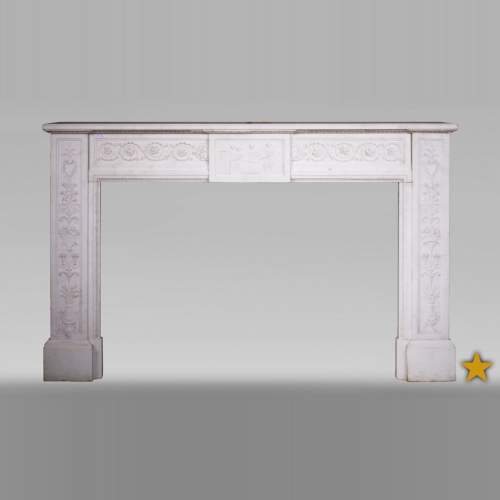
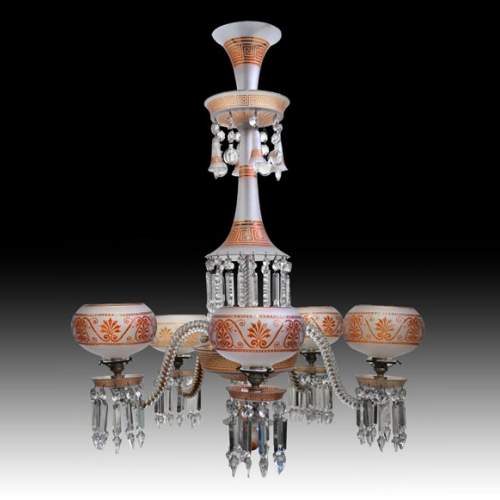
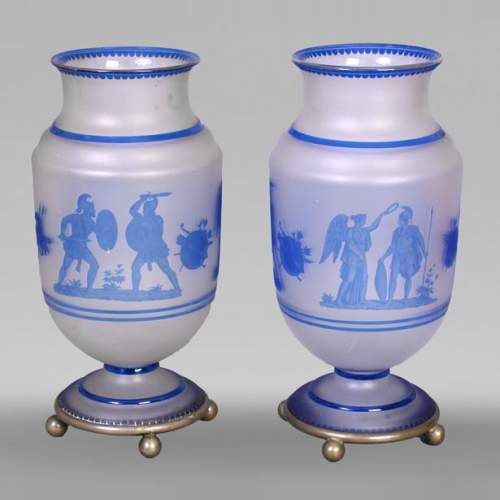
Download PDFTHE NEOCLASSICAL STYLE Neoclassicism is an artistic movement that developed in painting, sculpture, architecture, and the decorative arts between approximately 1750 and 1830. Originating in Rome at the time of the rediscovery of Pompeii and Herculaneum, the movement spread rapidly to France through painters and sculptors studying at the French Academy in Rome. Influenced by Winckelmann, Neoclassicism advocated a return to the virtue and simplicity of antiquity, in reaction against the Baroque style and the frivolous excesses of the preceding Rococo period. This new expression of an ancient style sought to align all the arts with what was then termed "the grand taste" (*le grand goût*). Antiquity became the ultimate reference point, and lifestyles were modeled after those of Pompeii or Herculaneum. Imperial Rome served as a model under Napoleon I, but the style gradually faded with the emergence of the Romantic movement. In painting, the movement is characterized by several key features: themes inspired by Greek or Roman antiquity, the primacy of form over color, the depiction of the moment immediately preceding an action, and a moralizing—often propagandistic—intent. In architecture and the decorative arts, the movement manifested through the adoption of the vocabulary of ancient architecture (columns, pediments, harmonious proportions, and porticoes).
See also
Neoclassicism — Louis XVI style — Directoire style — Empire style — Egyptomania — Baccarat