Jules Vieillard et Cie, Bordeaux
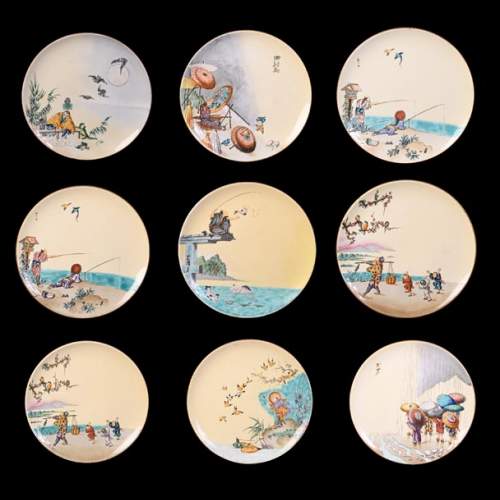
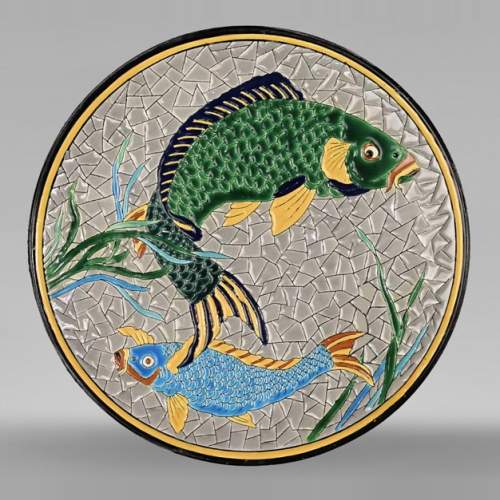
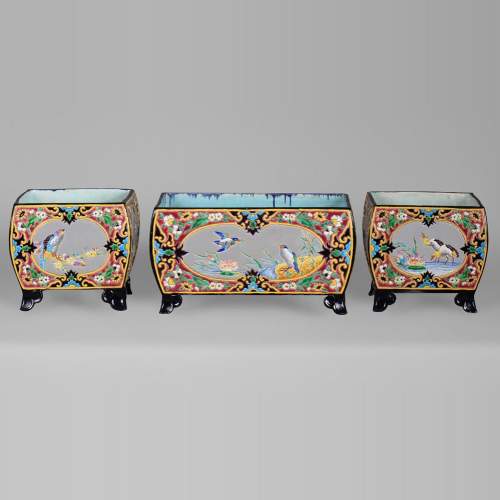
Download PDFFrom 1834 to 1895 the Bacalan faience works in Bordeaux was one of the great fine-earthenware manufactories of south-west France. Founded on the model of the English factories by the Irishman David Johnston, it took off under the management of Jules Vieillard (1813-1868), whose name it bears. It employed more than a thousand workers in the 1860s and stood out for its Japanese-inspired decors and rich colours, which place it among the most sought-after French manufactories of the nineteenth century.
Origins: Lahens et Rateau, then Johnston
The first fine-earthenware works in Bordeaux was founded in the late 1820s by Boudon de Saint-Amans and the merchant Jean-François Rateau, under the name Lahens et Rateau. It went into production in October 1830 and closed a few years later.
In 1834 the Irishman David Johnston revived the activity with Boudon de Saint-Amans. Appointed to the municipal magistracy of Bordeaux in 1838, he wanted to give the city a major industry. At Bacalan he set up an industrial production inspired by English models, with printed decors and wavy edges. The first pieces, of sober and refined forms, drew on Wedgwood but were made with French materials.
Jules Vieillard (1840-1868)
Born in Paris in 1813, Jules Vieillard was hired by Johnston in 1840, as general agent according to the Musée des Arts décoratifs et du Design de Bordeaux, or as technical collaborator according to other texts. When the Johnston company was liquidated in 1844, he created the company Jules Vieillard et Cie and in 1845 became manager and director of the manufactory.
Under his direction the faience works gradually abandoned English influence for colourful, floral or oriental decors. According to the gallery's presentation, the firm won awards at several Expositions Universelles in Paris, notably in 1855, where it received a first-class medal. In 1866 it employed more than a thousand workers. Jules Vieillard died in 1868; his sons Albert and Charles succeeded him.
A very varied output
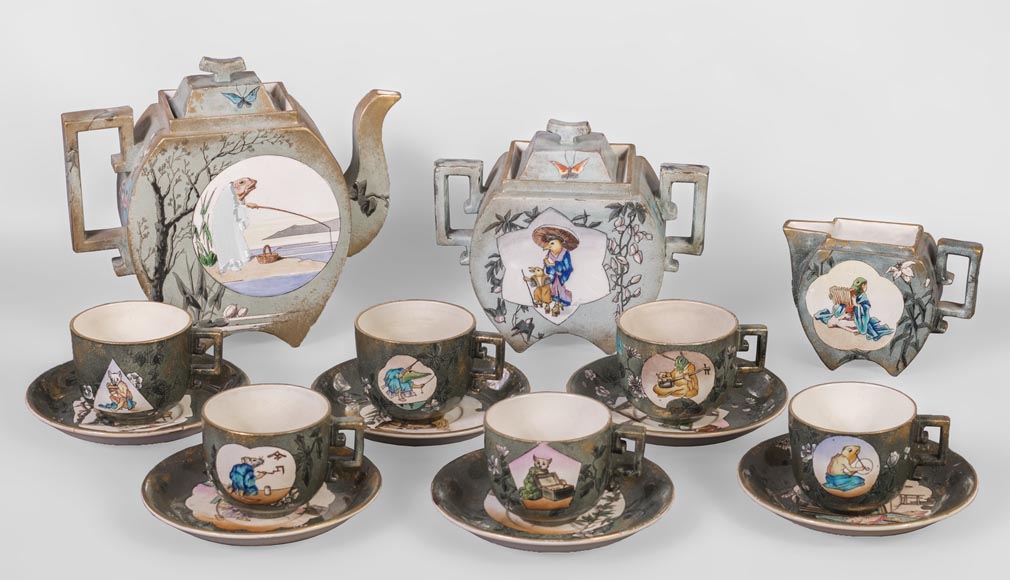
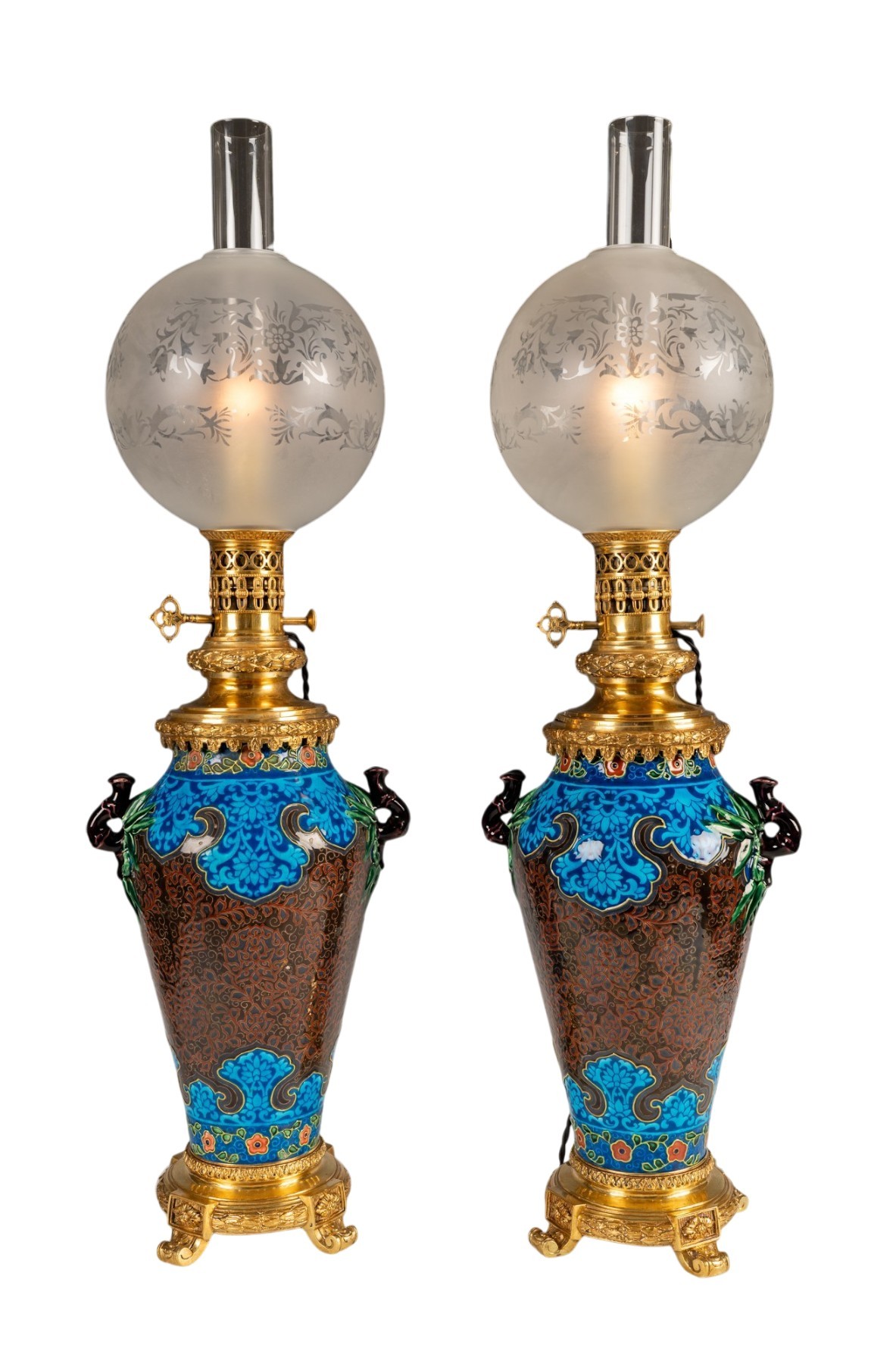
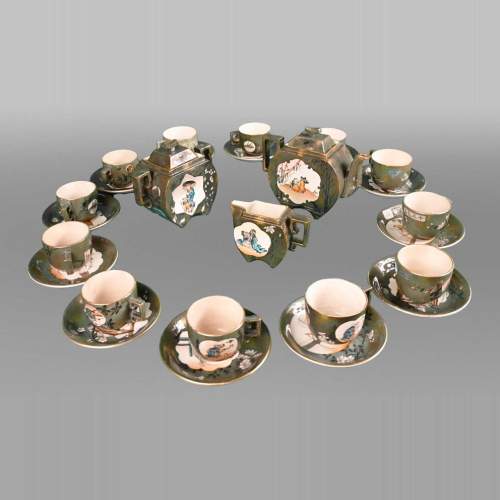
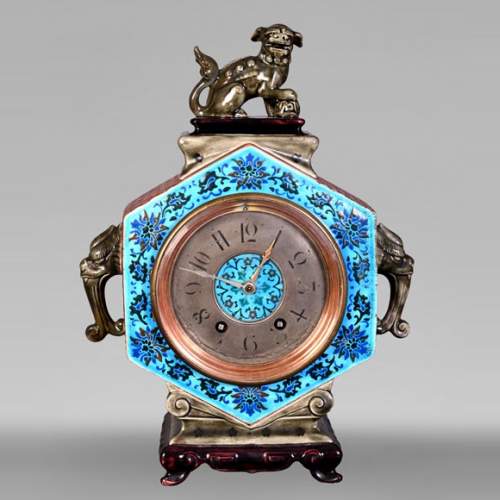
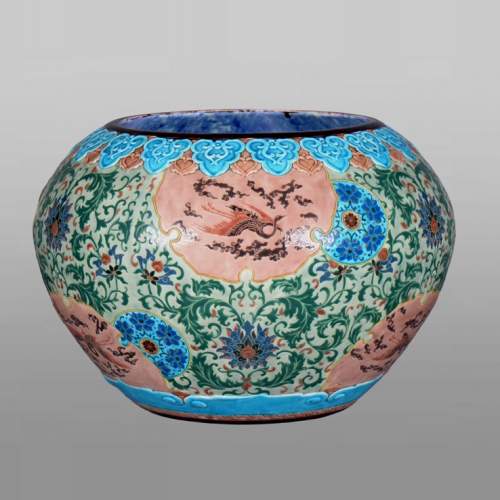
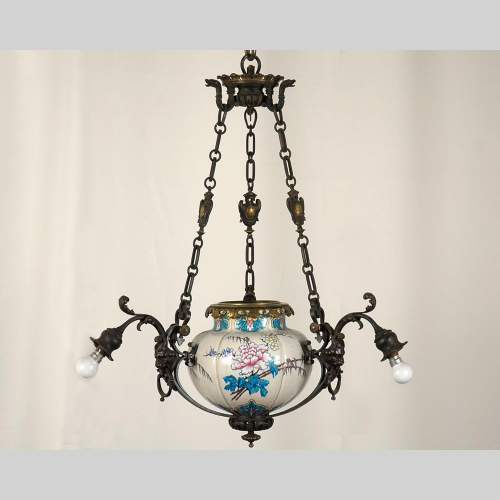
The manufactory made table services (the Nella, Tapisserie and Turc services), toilet sets, vases, lamps, clocks in polychrome enamels, mustard pots, aquariums, flasks and oenochoes. Its colours made its reputation, notably what exhibitions call "Caranza blue" and an aubergine tone.
Japonisme and Far Eastern decors
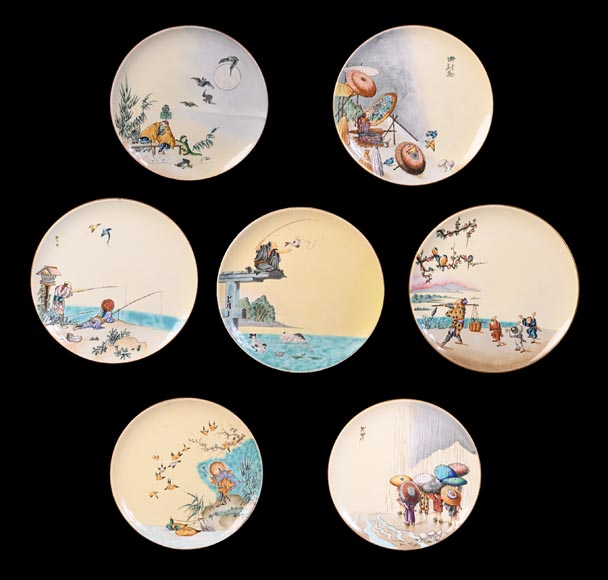
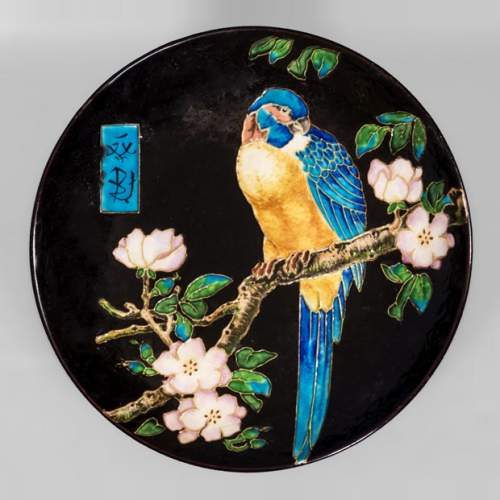
Asian decors were one of the house's major attractions, already popular in Jules Vieillard's last years: exotic birds, dragons, Fo dogs, Indian flowers. The "à la Manga" service takes up designs inspired by Hokusai's Manga sketchbooks, and some decors refer directly to Japan, such as the plate with mice. The ceramicist Amédée de Caranza is associated with these productions of the late 1870s: vases and lamps bear the inscriptions "J. Vieillard & Cie" and "A. de Caranza".
Marks
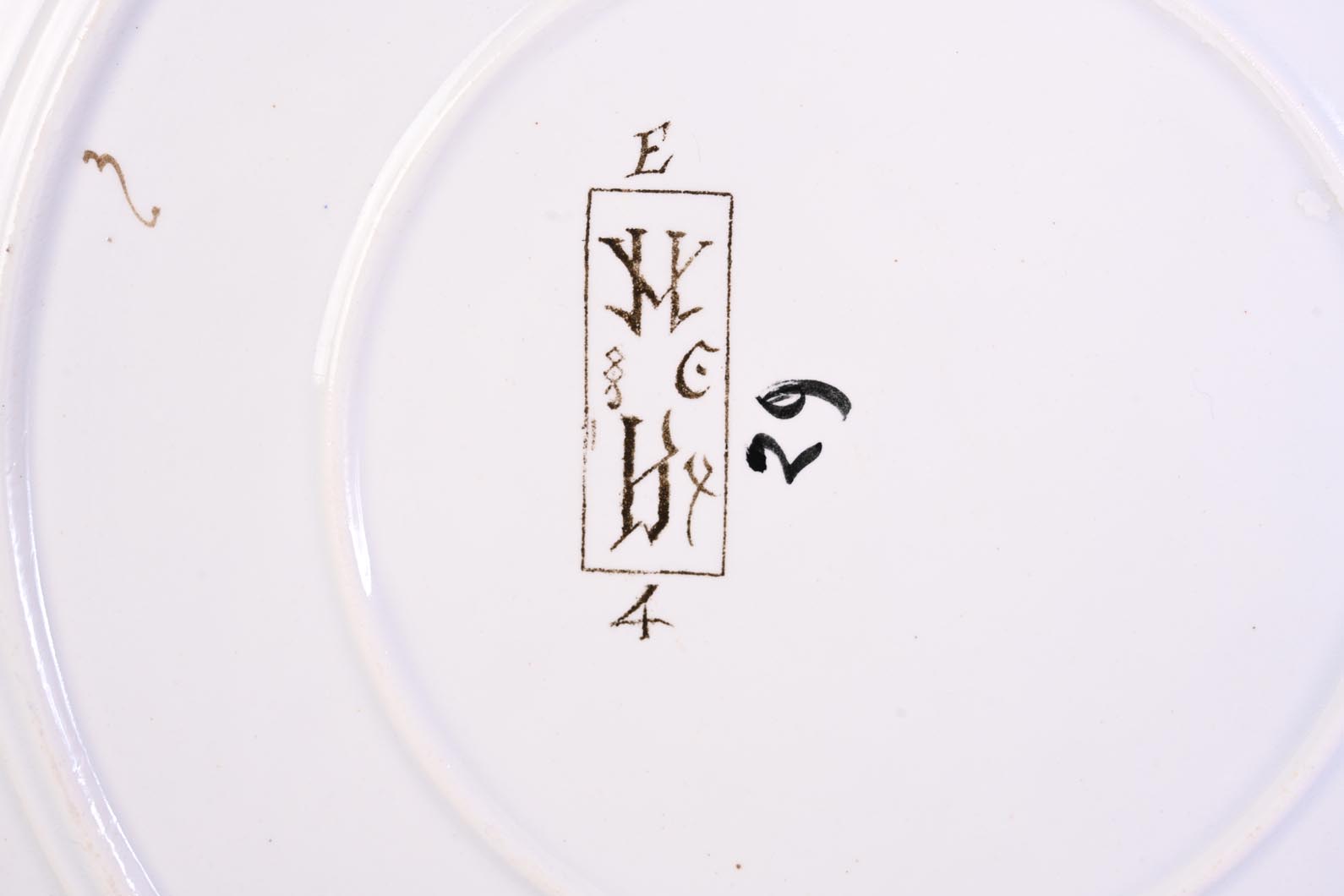
The marks on the backs of the pieces make it possible to identify the manufactory and to distinguish the periods: Lahens et Rateau, David Johnston, then Jules Vieillard. As forms and decors were reused, precise dating of a piece remains difficult.
Closure
The manufactory had about 1,400 employees in 1878. It closed for good on 20 August 1895, and Bordeaux no longer had any faience production. It left an abundant legacy: the Darrigade collection, of about a thousand pieces, was the subject of an exhibition at the Musée des Arts décoratifs et du Design de Bordeaux in 2015.
See also
The Creil and Montereau Faience Works — The Longwy Manufactory — The Faïencerie de Gien — The 1900 Exposition Universelle
See our ceramics, faience and porcelain
Bibliography
Institutional sources
Musée des Arts décoratifs et du Design de Bordeaux, press kit for the exhibition De David Johnston à Jules Vieillard : l'ivresse d'un décor, la collection Darrigade, 13 May - 9 September 2015.
Online resources
InfoFaience, "Bordeaux: history of faience", infofaience.com.